
February 21, 2026
Condo Kitchen Remodel SF: Layout Options Without Moving Plumbing
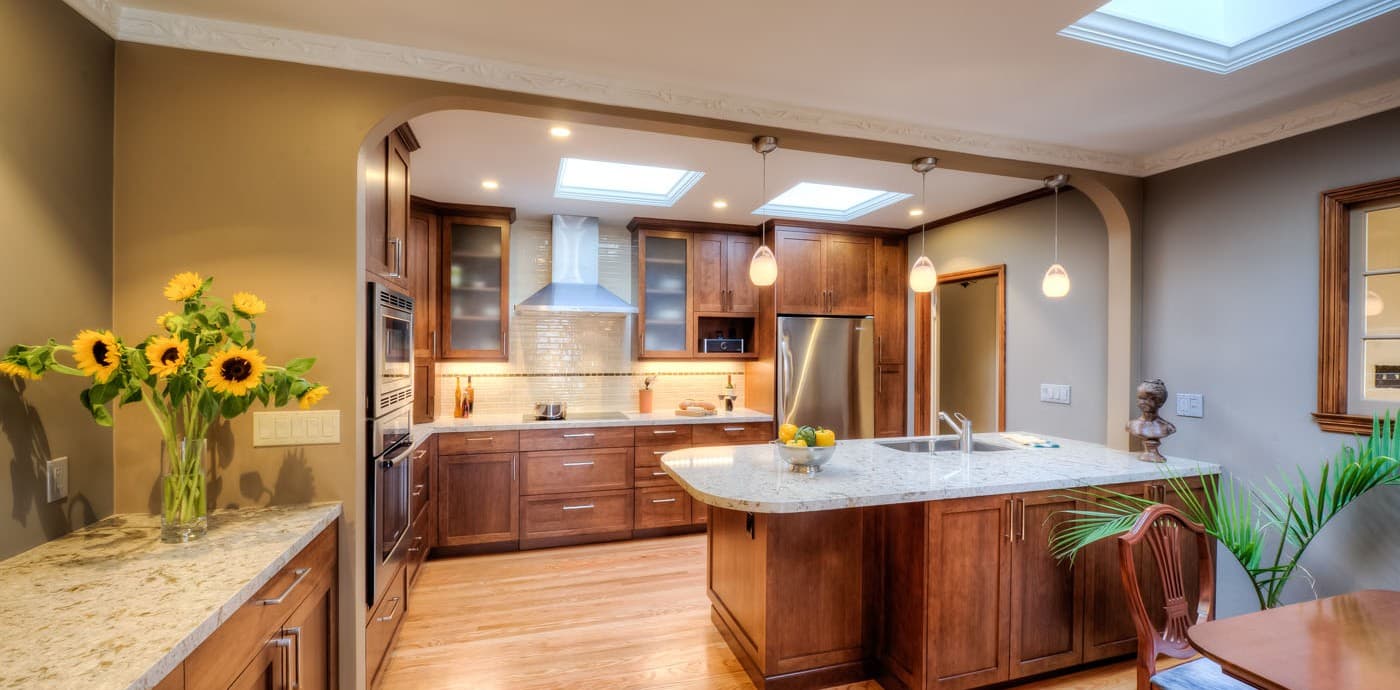
Remodeling a condo kitchen in San Francisco presents a unique set of challenges. Unlike single-family homes, condo owners must work within structural limitations, HOA guidelines, shared plumbing stacks, and multi-unit building constraints. One of the biggest cost drivers in any renovation is relocating plumbing, but in many condo buildings, moving plumbing lines isn’t just expensive, it’s restricted or outright prohibited.
The good news? A successful condo kitchen remodel San Francisco project does not require relocating plumbing to dramatically transform the space. With strategic layout planning, creative storage design, and thoughtful finish selections, you can modernize your kitchen while keeping sinks and drains in place.
This guide explores layout options, smart upgrades, cost considerations, and practical strategies for completing an efficient SF condo renovation kitchen without moving plumbing.
Why Avoid Moving Plumbing in a San Francisco Condo?
Before diving into layout ideas, it’s important to understand why keeping plumbing in place is often the smartest approach.
1. HOA Restrictions
Many San Francisco condo buildings have strict rules regarding:
-
Relocating plumbing stacks
-
Modifying shared drain lines
-
Altering floor penetrations
-
Changing venting systems
Because plumbing lines serve multiple units vertically, relocating them may impact neighbors below or above.
2. Structural Constraints
Condo plumbing often runs through:
-
Concrete slabs
-
Shared structural chases
-
Centralized wet walls
Modifying these systems may require engineering approval and significant construction work.
3. Cost Control
Moving a kitchen sink or dishwasher can add:
-
Additional labor
-
Permit complexity
-
Engineering fees
-
Inspection requirements
In a condo kitchen remodel San Francisco homeowners can save thousands of dollars by designing around existing plumbing locations.
What Can You Change Without Moving Plumbing?
Keeping plumbing in place does not mean keeping the same outdated layout. Many impactful upgrades are still possible.
You can:
-
Replace cabinets and countertops
-
Expand prep space
-
Add or enlarge an island (if plumbing remains along original wall)
-
Reconfigure appliance placement
-
Upgrade lighting and electrical
-
Install custom storage
-
Open non-load-bearing walls
-
Improve ventilation (if HOA permits)
The key is understanding which elements are flexible and which are fixed.
Smart Layout Options for a Condo Kitchen Remodel San Francisco
Below are common layout strategies that maintain plumbing positions while significantly improving functionality and style.
1. Keep the Sink, Expand the Prep Space
In most condo kitchens, the sink sits along a wet wall shared with neighboring units. Instead of relocating it, focus on improving the surrounding cabinetry.
How to Enhance This Layout:
-
Install wider base cabinets for more counter space
-
Add pull-out trash and recycling drawers
-
Use deeper countertops if space allows
-
Replace upper cabinets with open shelving to create visual openness
-
Upgrade to a single-basin sink for improved usability
Even without moving the sink, improved cabinetry can completely change how the kitchen functions.
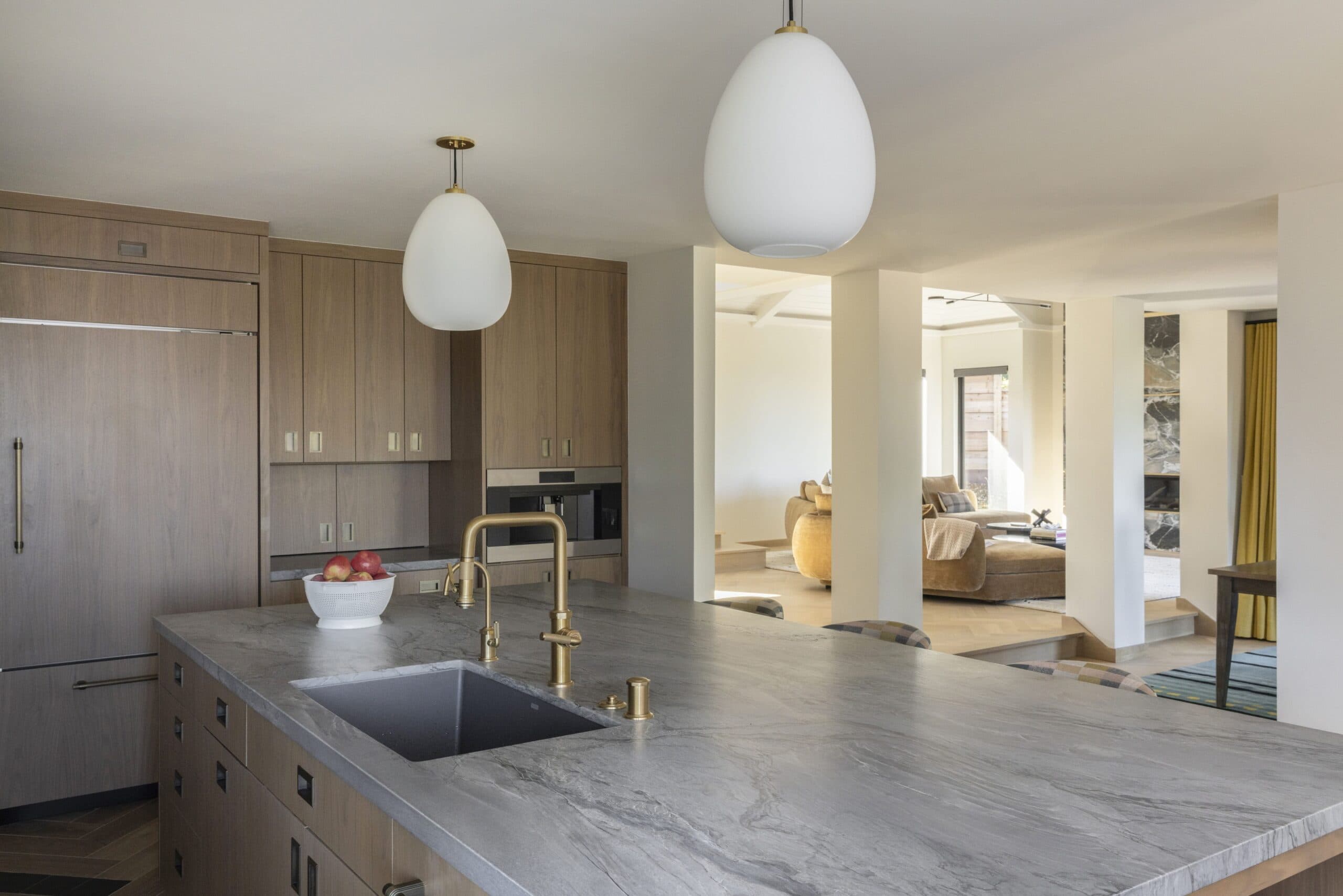
2. Add a Peninsula Instead of an Island
Many San Francisco condos have narrow footprints. If the kitchen is adjacent to a living area, adding a peninsula can:
-
Create additional prep space
-
Provide seating
-
Define zones without enclosing the kitchen
-
Improve traffic flow
Because the plumbing remains on the original wall, the peninsula becomes a highly functional addition without structural changes.
3. Upgrade to a Modern Galley Layout
Galley kitchens are common in older SF condos. While they may feel tight, they are extremely efficient.
A successful SF condo renovation kitchen upgrade might include:
-
Removing upper cabinets on one side
-
Adding under-cabinet lighting
-
Using light-colored finishes
-
Installing full-height cabinetry for storage
-
Choosing integrated appliances
By optimizing storage and lighting, a galley kitchen can feel larger and more refined without moving plumbing.
4. Create an Open-Concept Feel (Without Moving Pipes)
If your condo has a wall between the kitchen and living space, removing a non-load-bearing partition can dramatically improve openness.
Important considerations:
-
Verify wall is non-structural
-
Confirm with HOA
-
Ensure electrical rerouting is planned properly
Even if the sink remains in the same location, removing visual barriers transforms the perception of space.
5. Relocate Appliances Instead of Plumbing
While moving plumbing may be restricted, appliance relocation is often easier.
For example:
-
Move the refrigerator to improve the work triangle
-
Shift the range for better ventilation
-
Upgrade to slimmer appliances
-
Install a built-in microwave drawer
Strategic appliance placement can modernize layout without touching plumbing stacks.
6. Upgrade to Custom Storage Solutions
In a condo kitchen remodel San Francisco homeowners often struggle with limited square footage. Custom storage is one of the most impactful upgrades available.
Consider:
-
Pull-out pantry cabinets
-
Corner cabinet organizers
-
Deep drawer storage
-
Hidden appliance garages
-
Vertical tray dividers
-
Built-in spice racks
These additions dramatically improve daily functionality without requiring layout shifts.
Lighting & Visual Expansion Techniques
Small condo kitchens benefit heavily from lighting upgrades.
Recessed Lighting
Evenly distributed recessed lights reduce shadows and improve task visibility.
Under-Cabinet Lighting
Adds warmth and increases usable prep space.
Reflective Surfaces
Light quartz countertops and glossy backsplashes reflect natural light.
Integrated Lighting in Cabinets
Creates depth and sophistication.
Improving lighting often makes a kitchen feel more “new” than moving any structural elements.
Flooring Considerations in Condo Remodels
HOAs frequently regulate flooring due to sound transmission concerns.
Before replacing floors:
-
Check building soundproofing requirements
-
Confirm approved materials
-
Verify underlayment standards
Popular condo-friendly flooring options include:
-
Engineered hardwood
-
Luxury vinyl plank (LVP)
-
Porcelain tile with sound-dampening underlayment
Continuing the same flooring into living areas can create a seamless, larger appearance.
Ventilation in SF Condo Renovation Kitchens
Ventilation is often limited in condo buildings.
You may encounter:
-
Recirculating range hoods
-
Restrictions on exterior venting
-
Shared ducting systems
Upgrading to a modern, efficient recirculating hood can significantly improve air quality without altering building infrastructure.
Timeline Expectations
A standard condo kitchen remodel San Francisco project typically includes:
-
Design phase: 4–6 weeks
-
HOA approval: 2–6 weeks
-
Permitting (if required): 4–12 weeks
-
Construction: 8–14 weeks
HOA review time can significantly influence schedule.
Common Mistakes to Avoid
-
Assuming plumbing can be moved without approval
-
Not reviewing HOA rules before design
-
Ignoring soundproofing requirements
-
Oversizing an island in a tight layout
-
Skipping permit research
-
Underestimating lead times for custom cabinetry
Early planning prevents costly redesigns.
Why Design-Build Is Ideal for SF Condo Renovation Kitchens
Condo remodels require careful coordination between:
-
HOA management
-
Building engineers
-
City inspectors
-
Designers
-
Contractors
A design-build firm offers:
-
Unified planning
-
Early HOA review
-
Accurate budgeting
-
Faster decision-making
-
Clear communication
-
Reduced change orders
Because condo projects have more restrictions than single-family homes, this streamlined approach helps keep renovations efficient and compliant.
Is a Condo Kitchen Remodel Without Moving Plumbing Worth It?
Absolutely.
You can:
✔ Modernize outdated cabinetry
✔ Improve functionality
✔ Increase prep space
✔ Upgrade lighting
✔ Add seating
✔ Improve storage
✔ Boost resale value
All without relocating plumbing lines.
In fact, many of the most beautiful SF condo renovation kitchen projects are completed with plumbing left exactly where it started.
Ready to Plan Your Condo Kitchen Remodel?
Podesta Construction specializes in condo kitchen remodel San Francisco projects, delivering thoughtful design-build solutions tailored to multi-unit building requirements.
If you’re considering a kitchen renovation but want to avoid costly plumbing relocation, we can help you explore layout options that maximize your space while staying within HOA and structural guidelines.
📞 Book a consultation today to discuss your condo kitchen remodel and discover what’s possible in your home.
Recent Posts

Can You Turn a San Francisco Garage Into Living Space?
Planning a garage conversion in San Francisco? Lea...
October 4, 2026
Small Kitchen Remodel in San Francisco: Where Is the Extra Space Hiding?
Planning a small kitchen remodel in San Francisco?...
September 20, 2026
Can You Add a Bathroom Anywhere in a San Francisco Home?
You usually can’t add a bathroom anywhere you want...
September 7, 2026

Five Decisions to Make Before Design Work Begins
A useful remodel planning checklist starts with fi...
September 1, 2026

What Should a Pre-Construction Agreement Include?
A pre-construction agreement should explain exactl...
August 5, 2026

What’s Hiding Behind the Walls of an Older San Francisco Home?
Older San Francisco homes often have a few surpris...
August 4, 2026
Newsletter
Quarterly remodeling tips & case studies.